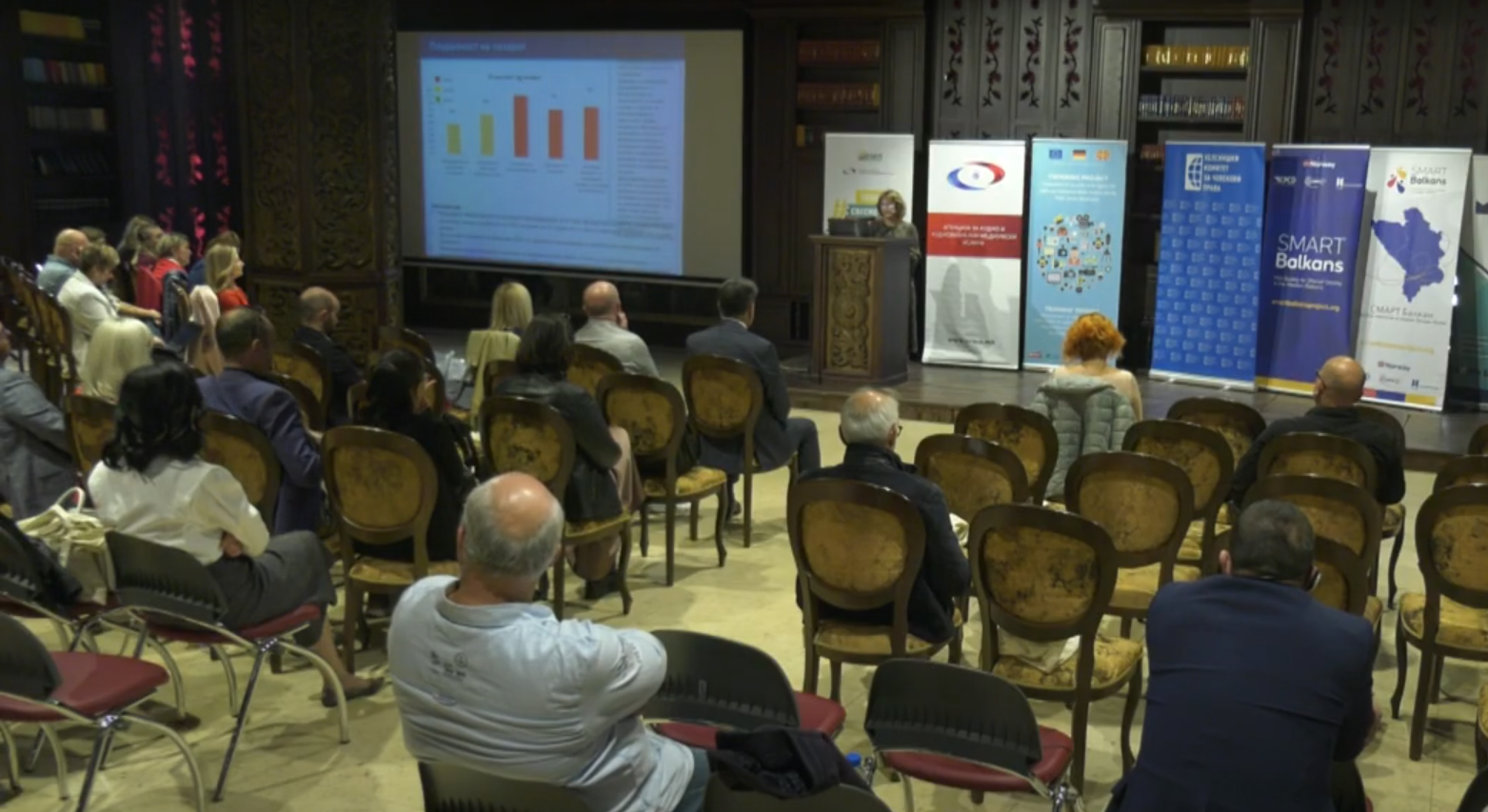
Media pluralism is the ultimate goal of any media policy. What are the risks to media pluralism in the country and where does Macedonia stand, compared to other European countries? These questions are answered by the Media Pluralism Monitor in the Digital Age - one of the most relevant studies in the field of media policies, in which RESIS has participated for five years in a row.
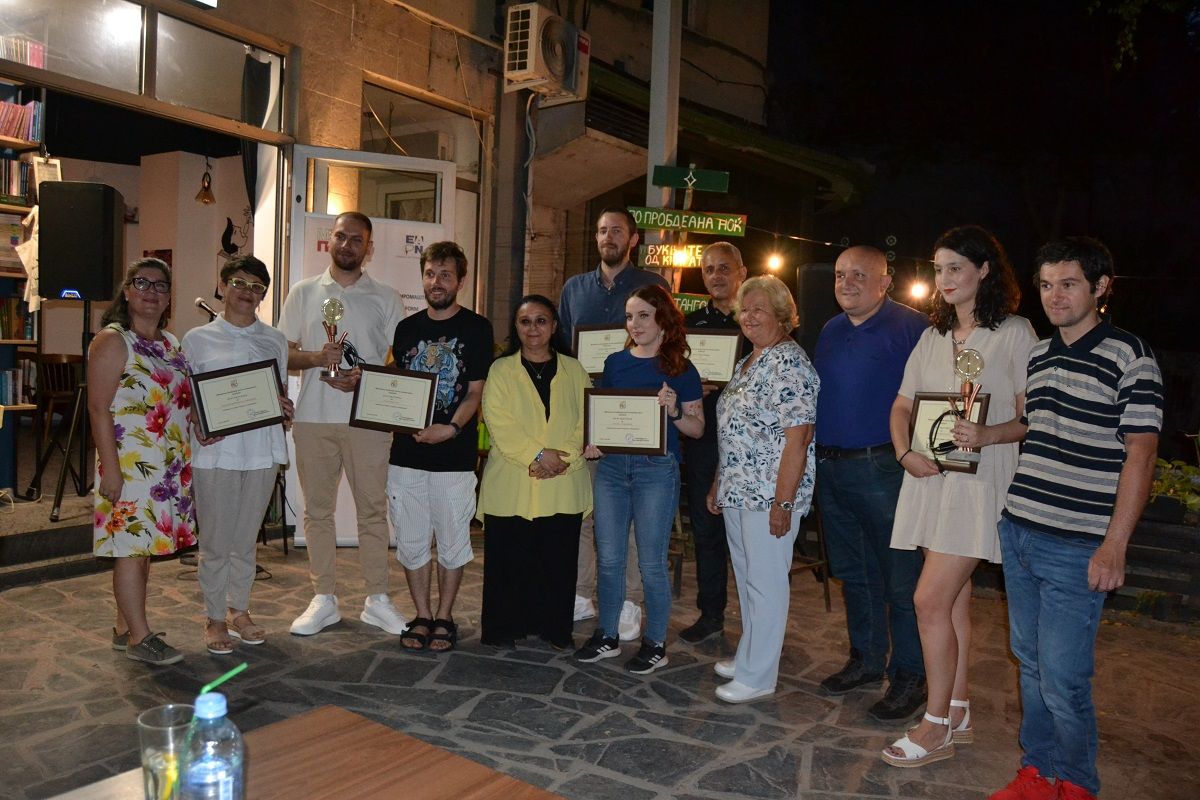
The story "Macedonian migrant workers in Italy cannot exercise their right to pension after more than two years", published on the non-profit community media outlet Local Active, received the "Messenger of the Invisible" award presented by the Macedonian Platform Against Poverty (MPPS). The authors of the story are journalist Toni Ajtovski and civic activist Zoran Bikovski from the association WOMAN from Delčevo.

About 2,100 people work in the media in Macedonia, spread over 3,146 positions, according to the multi-month survey conducted during 2023. The census of the working positions in the media in Macedonia was the first step in the research of the situations in the media and in journalism that will be used for building policies and advocacy to improve the professional status and labor rights of journalists and media workers.

The interest that journalists and media workers from Kichevo have shown in the past period for their organization and the intention of the Independent Union of Journalists and Media Workers to be present in all areas of the country resulted in a meeting in Kichevo on April 3, 2024. which was attended by most of the people involved in the local media, the correspondents from this city for the national media, representatives from the RESIS Institute and SSNM.

The sustainability and importance of local media and the transparency of municipal authorities were the main topics that were discussed yesterday, March 26, 2024, at the meeting of representatives of the RESIS Institute and the Independent Union of Journalists and Media Workers with journalists and media workers from Kumanovo.
The experiences of the member states of the European Union, but also of some neighboring countries offer positive examples of how to strengthen legal guarantees and improve the respect of the labor rights of journalists and media workers in our country as well - for example, France is an example about how the rights of special categories of workers such as journalists can be protected in general legislation, and Denmark, on the other hand, is a country in which the work of journalist unions has greatly contributed to the development and respect of labor rights. In addition, the guarantees for the work and professional status of journalists and media workers are further strengthened by the media legislation of different countries.

The labor rights of journalists and media workers are the basis for free, independent and professional journalism. In order to realize these rights, knowledge of the legal framework in which journalists and media workers act as employees in the media sector is required. The independent union of journalists and media workers, in cooperation with the RESIS Institute, as part of a comprehensive research, publishes the publication entitled: "Working rights of journalists and media workers - legal framework of the Republic of North Macedonia", whose author is Maja Atanasova from the Macedonian association of young lawyers.

The Vardar region is getting an internet platform for information on topics and issues of local interest, which are extremely important for the citizens of this region. It is a community media, which is different from other types of media in the country. The purpose of these media is to give visibility to local topics and voice to the citizens themselves. Such a platform has been operating in the Eastern and Southeastern regions for a whole year, and now it is being launched in the Vardar region as well.

New research indicates that journalists and media workers in the country face a heavy workload, low wages, unpaid overtime and work on holidays, high work stress and concerns about their mental health.

How many journalists are there in Macedonia, where are they employed, how many of them are regularly employed, and how many are freelancers, and do they enjoy the guaranteed rights provided by the Law on Labor Relations? Do they feel free to be members and act in their trade union organizations, and to what extent can activism in these organizations, and above all, in SSNM, affect the improvement of working conditions, safety and professionalism?

Select your language


